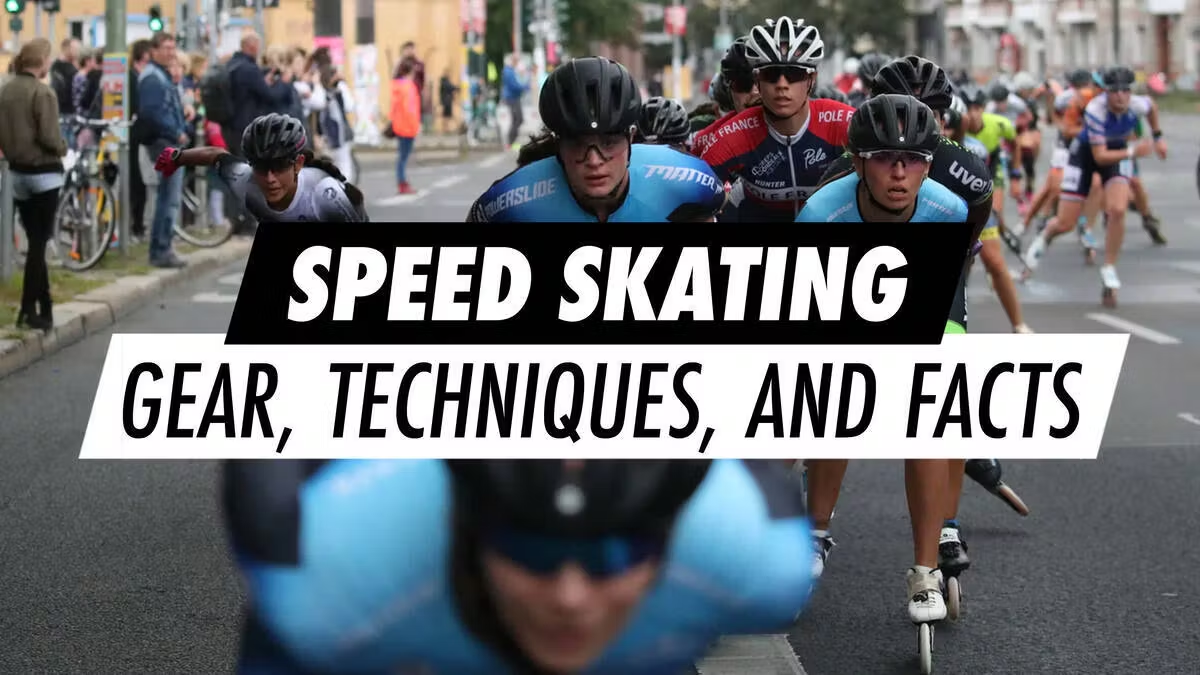
Speed skating provides a rigorous and performance-focused style of inline skating, concentrating on speed and stamina. Are you thinking about taking up inline speed skating, or are you simply intrigued by the sport? Here, you can find out what distinguishes speed skating from other forms of roller sports.
Inline speed skating revolves around:
- Technique: Proficiency in advanced methods like the double-push.
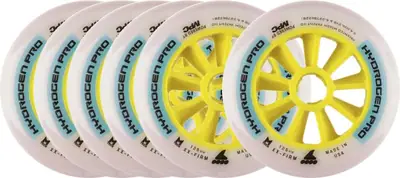
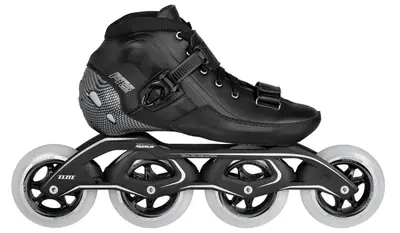
- Equipment: Stiff, low-cut boots, a lightweight frame, and large wheels up to 125 mm.
- Speed: Top skaters can achieve speeds of 37 mph (60 km/h) on flat surfaces.
- Community: A strong social side exists through speed skating clubs and gatherings.
Overview

Initiating Your Speed Skating Journey
Joining a speed skating club is an excellent choice if you plan on engaging with the sport. You'll receive personalised guidance tailored to your level, while experiencing the companionship of others who share the same enthusiasm.
“What I love about speed skating is its social element. You frequently aim for shared goals, yet simultaneously, it’s a discipline where you can individually practice and compete.” - Trine Brøns Nielsen, former SkatePro Team Rider and Danish champion.
If there isn’t a speed skating club nearby or you lack someone to instruct you personally, online resources can be a valuable asset. Numerous tutorials are available explaining fundamental speed skating techniques. Below, we provide an overview of basic speed skating methods to aid your beginnings (and maybe, you'll eventually set up a local club yourself).
Essential Equipment for Beginning Speed Skating
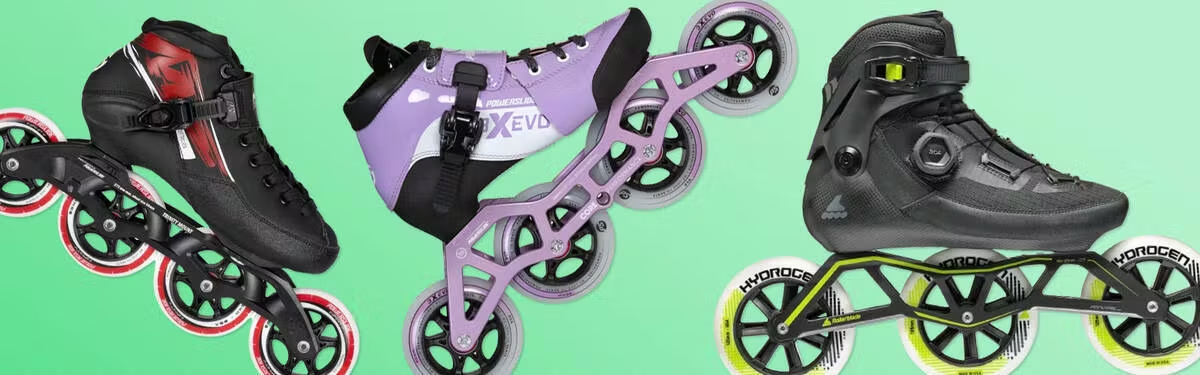
To begin inline speed skating, essential items include a pair of speed skates, protective gear, and a suitable location for practice.
Understanding Inline Speed Skates
The definitive aspects of speed skates - the boot, frame, and wheels - set them apart from standard fitness skates. As every fraction of a second is crucial in speed skating, the skate’s technical features are a direct reflection of the sport's emphasis on performance.
- Boot Design: Low boots made from rigid carbon fibre with minimal cushioning maximise energy transfer.
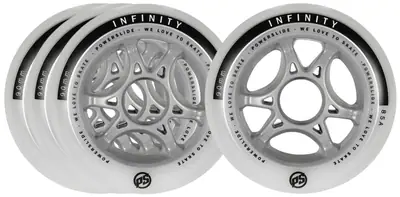
- Wheels: Larger wheels (up to 125 mm) help sustain momentum, while harder rubber lessens friction to boost speed.
- Frames: Sturdy, lightweight aluminium or carbon frames ensure efficient power transfer without energy loss due to flexibility.
Selecting the right speed skates depends on your experience and ambitions. For complete beginners, we recommend starting with a higher-cut boot for enhanced ankle support, progressing later to dedicated speed skating boots.
The type of terrain you skate on, whether rough roads for long distances or smooth tracks for sprinting, will influence your equipment choices. Softer wheels render grip on coarse surfaces, while harder wheels reduce friction on smooth paths.
Fundamentals of Speed Skating Techniques
A speed skater’s proficiency is largely determined by their specific speed skating technique. Mastery of the following elements is vital for optimal performance:
- Speed skating position: To cut down aerodynamic resistance, maintain a low centre of gravity with a horizontal body.
- Speed skating push off: Powerful force is exerted laterally on skate edges for maximum forward drive with every stride.
- Speed skating arm movement: Arm motions help retain rhythm and provide stability during high-speed activities.
- Double push method: This advanced technique involves an inner "under-push" phase preceding the typical lateral push, boosting power per stride.
Explore this slow-motion video for a clear illustration of the double push technique, body posture, and arm movements, as executed by professional speed skaters Mark Horsten and Lars Scheenstra.
Protective Gear for Speed Skating
Due to the high speeds involved in speed skating, the necessity of protective gear is indispensable, even if it slightly affects your aerodynamics.
Speed skates perform differently compared to other inline skates with smaller wheels and supportive cuffs. As a novice, you'll likely experience falls adjusting to these discrepancies; as a veteran skater, reaching high speeds means any fall might have severe consequences.
As you delve deeper into speed skating, you’ll seek specific protective gear crafted for minimal aerodynamic hindrance. Nevertheless, the overarching goal is safety, so initially, choose protection that might not be aerodynamic, but ensures security.
Helmets in Inline Speed Skating
Helmets are mandatory in professional speed skating. Whether you aim to race competitively or skate for leisure, protecting your head is crucial. Avoiding concussions or head traumas is vital (injuries have no benefits and may lead to long-term effects, believe us).
If searching for a specialised speed skating helmet, seek one designed for aerodynamics with effective ventilation. Helmets with MIPS (Multi-directional Impact Protection System) can offer added protection against rotational forces. Our selection of skating helmets meets safety certifications.
Protection for Elbows and Knees in Speed Skating
Besides aerodynamics, ensuring free movement is critical for knee and elbow protection. To maintain an edge while speed skating, opt for low-profile protectors instead of bulky, hard-shell designs. Many skaters prefer "sleeve-style" protectors with thin, shock-absorbing foam, providing subtle protection that minimally affects aerodynamics and movement.
Wrist Protectors in Speed Skating
Specialist wrist protection is key to safeguarding palms and wrists, reducing the risk of fractures or tendon injuries requiring lengthy recovery. We suggest models offering a snug fit and made from durable materials, ensuring focus can remain on performance instead of avoiding harm. For dedicated speed skaters, "second-skin" gloves for speed skating may be preferable, offering protection while maintaining full dexterity and unrestricted freedom of movement.