Winter Sports
 Scooters
 Skates
 Boards
 BMX
BMX Apparel
 Surf
Surf On Sale


It is important to select inline skates that provide both comfort and stability for novices, ensuring an enjoyable skating experience. This guide has been crafted to aid you in selecting your first pair of inline skates, offering our most valuable tips. Everything you need for choosing the right beginner inline skates is covered here.
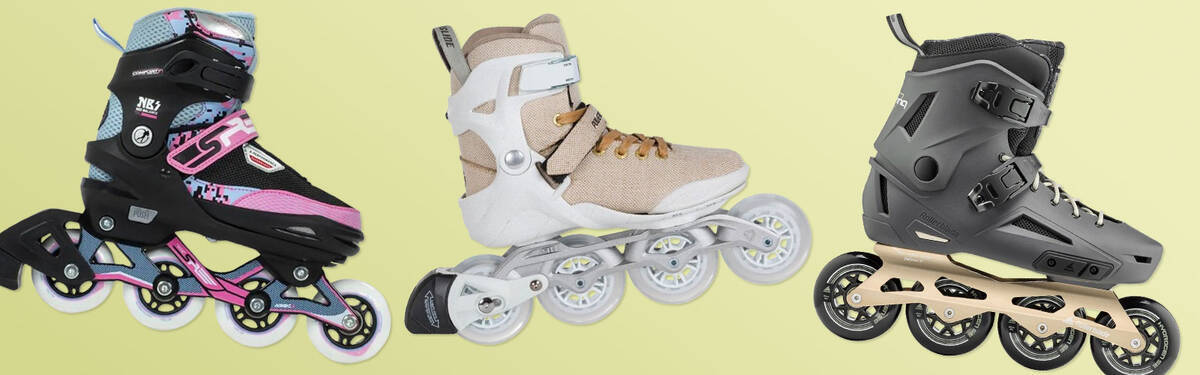
Within our assortment of inline skates, you can explore many excellent beginner-focused choices. Recreational and fitness inline skates typically represent the most suitable categories for newcomers. They are designed for multipurpose use rather than niche activities such as speed or aggressive skating. Perfect for getting around, exercising, and casual enjoyment, they strike a great balance between comfort and performance.
Overview

Which Inline Skates Are Ideal for Beginners?
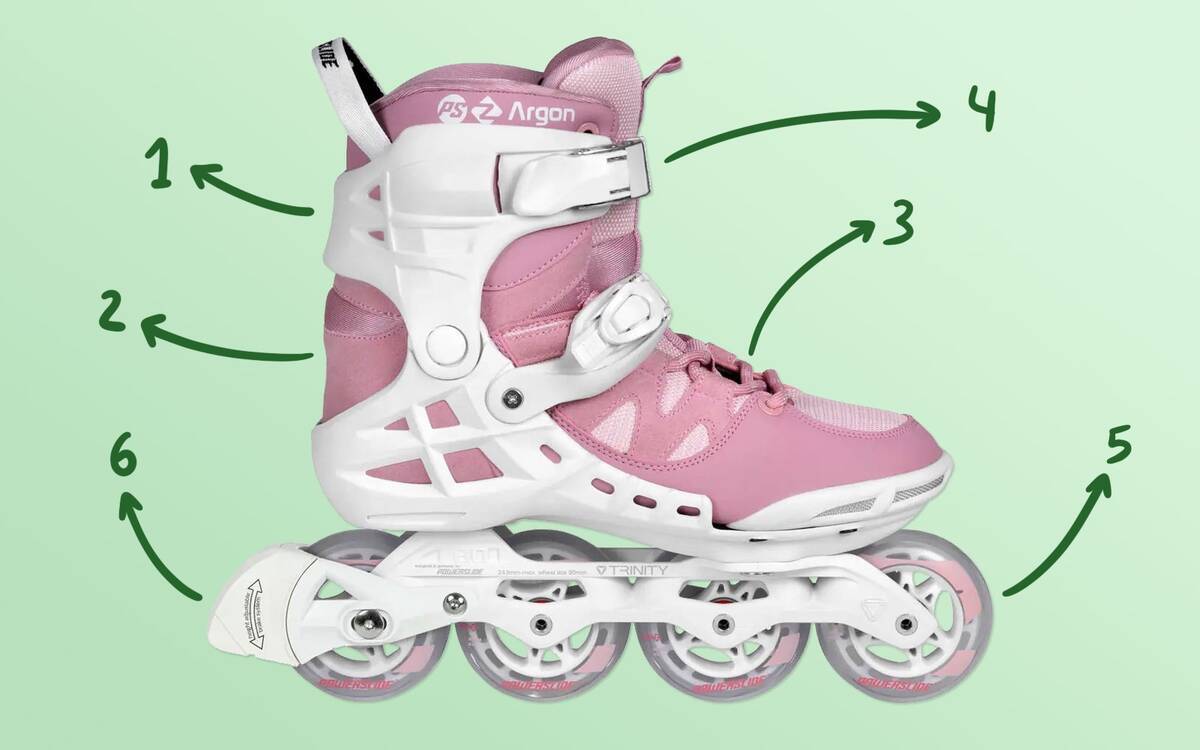
For the best comfort and efficiency, look for these features in your first pair of inline skates:
- Elevated cuffs for side support: This enhances stability and ankle support.
- Foam-lined breathable interiors: These promote both comfort and ventilation while skating.
- Lacing methods: Choose between regular laces, rapid lacing systems, or BOA systems for a snug fit.
- Fastening strap and buckle: Ensures your foot remains secure.
- Compact wheels (maximum diameter 90 mm): These offer improved control and maneuverability for beginners.
- Heel stopper: Enables safe speed control and braking.
Our inline skate range includes beginner-friendly models suited for various age groups and preferences. Once you dive into a category of inline skates, we advise filtering results based on expertise level.
Discovering the Right Size for Beginner Inline Skates
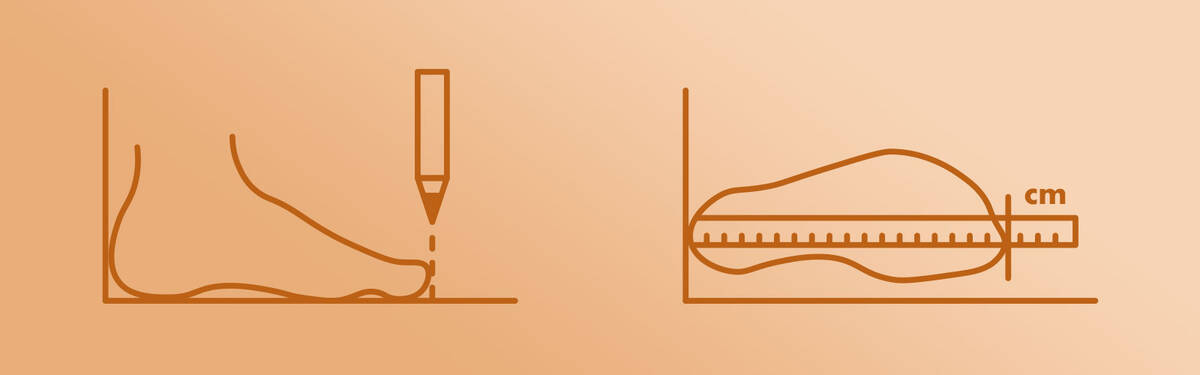
Proper sizing is vital when starting your inline skating journey. When selecting skates online, refer to the size guide for the model you're interested in and base your decision on the precise measurement of your foot.
For accurate foot measurements, position your heel against a wall and measure the distance to your longest toe’s tip, ensuring the measurement is taken at a right angle to the wall.
how to properly measure your feet
- Stand on a solid, level surface: This will help you take an accurate measurement.
- Wear your skating socks: Use the socks intended for your skating while measuring your feet.
- Position a sheet of paper at the wall base: Place a paper on the ground with one edge flush with the wall.
- Stand upright: Align your heel with the wall, ensuring your foot is flat on the paper.
- Mark your longest toe: Indicate the paper spot where your longest toe reaches.
- Measure both feet: As one foot might be slightly larger, use the bigger measurement for skate selection.
Grab a ruler to find your foot's length on the paper. This measurement is your mondopoint size, vital for understanding skate size charts.
What is the Proper Fit for Inline Skates?
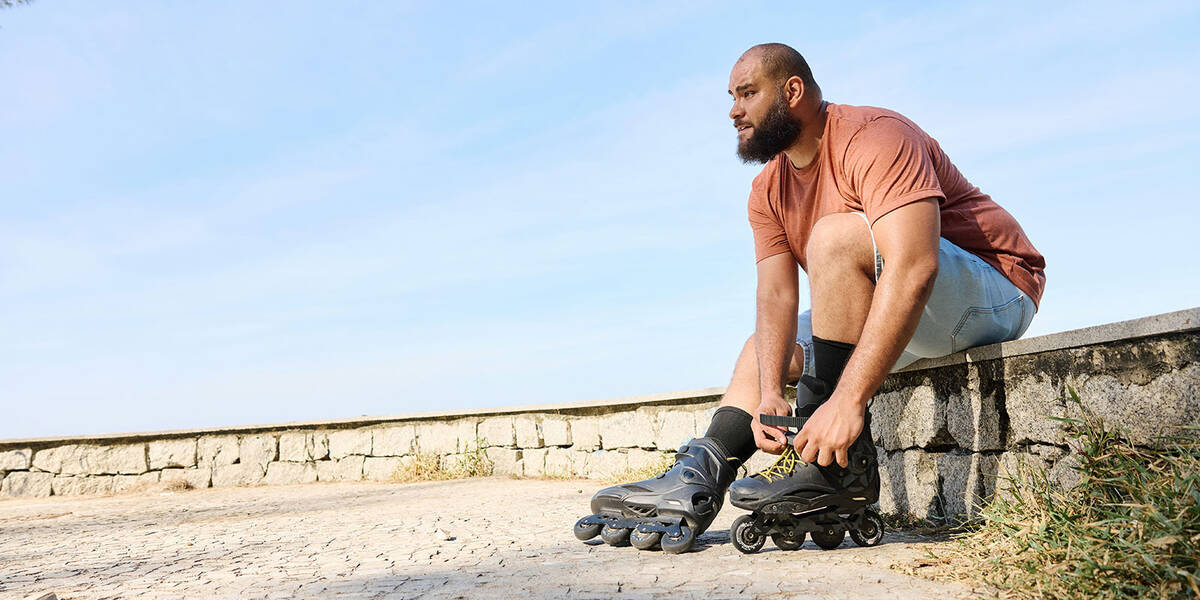
Your skates should fit snugly without being uncomfortable. Looser skates will hinder the energy transfer from your legs. For your first pair, take these factors into account:
- Adaptation Period: New skates can be stiff. Over a few uses, they should loosen up.
- Heel Stability: Your heels should be well-secured, minimizing lift as you skate. Effective heel stability aids control and cuts down blister risk.
- Toe Room: Your toes should reach toward the front without being squished, with slight wiggle room.
- Support for Ankles: Ensure your ankles feel supported yet comfortable, without excessive tightness. You should bend your knees comfortably without pressure on your ankles.
- Fastening Systems: Adjust the fasteners to secure your skates while maintaining proper circulation.
Inline Skates Adaptation Stage
Starting with inline skating, your feet experience something entirely new with skates on. Even the best-fit skates require break-in time, especially as your feet adapt.
Utilize these strategies for a smoother adaptation phase:
- Be Patient: Be prepared for a month-long break-in with gradual use. Initially, expect some discomfort as your feet and ankles adjust.
- Keep Your Feet Relaxed: Maintain comfort by not overtightening footwear.
- Preventing Blisters: Experiment with different socks or insoles to see what offers more comfort. Footies can significantly prevent blisters, especially around heels and ankles.
If discomfort continues, seek medical guidance. The journey is about getting your skates to feel like an extension of yourself.
Find more insights in our piece on insoles, footies, and getting acquainted with new skates:
Stopping Effectively on Beginner Inline Skates
Inline skates for beginners usually come with a heel brake, allowing newcomers a simpler, intuitive braking method. This style of brake offers a straightforward and secure option for controlling speed, crucial for those still gaining skating confidence.
Essential Safety Gear for Beginner Inline Skaters
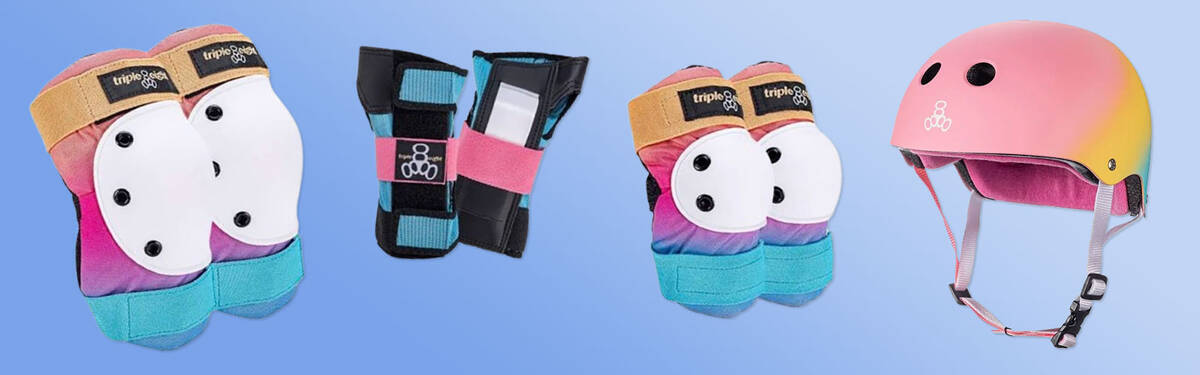
When taking up inline skating, wearing appropriate safety equipment is crucial. Below is a list of essential gear for beginner inline skaters:
- Helmet: Protects your head against serious injuries by ensuring a proper fit.
- Wrist Guards: Shields your wrists by providing essential support and padding in the event of falls.
- Knee Pads: Safeguards your knees against scrapes and potential fractures.
- Elbow Pads: Protects elbows during impacts and fall-related abrasions.
Using protective gear reduces injury risks, making skating safer and more enjoyable.
It is critical to include protective gear as part of safe inline skating practices, particularly for beginners.